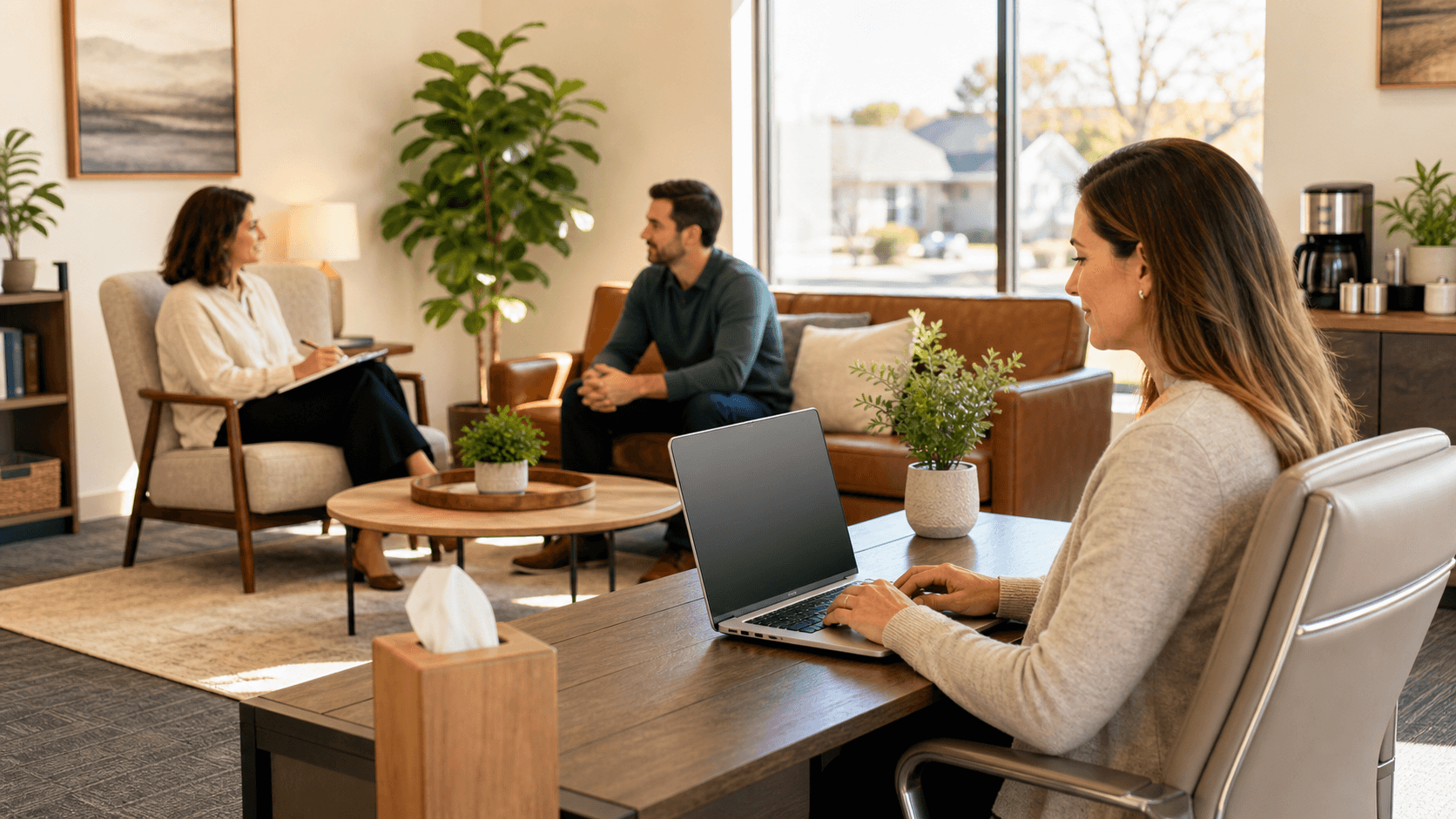
Finding the Right Anxiety Support in Pennsylvania
Choosing the right help for anxiety can feel like one more thing to worry about. When your mind is already racing, trying to compare options like telehealth IOPs and in-person IOPs can seem overwhelming. Still, the format you choose can make a real difference in how comfortable and supported you feel.
Across Pennsylvania, especially around Philadelphia and nearby communities, anxiety can get in the way of work, school, driving, parenting, and even simple errands. Intensive Outpatient Programs, or IOPs, give more structure than weekly therapy, while still letting you sleep in your own bed and keep many parts of your daily life. One of the biggest questions we hear is whether telehealth IOPs or in-person IOPs are the better fit. There is no single right answer, only what works best for you, your schedule, and your comfort level, especially as routines shift in summer with travel, childcare changes, and longer days.
What Anxiety IOP Looks Like Day to Day
An Intensive Outpatient Program is a structured level of care that usually meets several days a week for a few hours at a time. Instead of one short therapy session every week or two, you have repeated, focused time to work on anxiety in real ways.
Anxiety-focused IOP often includes:
- Group therapy to practice skills and talk with others who understand
- Individual sessions to work on more personal concerns
- Skills training for coping tools like grounding, breathing, and cognitive restructuring
- Medication management when it is appropriate and part of your treatment plan
In IOP, you are not just talking about anxiety; you are learning how to respond differently to thoughts, feelings, and body sensations. You might work on exposure exercises, where you slowly face feared situations in a safe and supported way. You will usually leave with clear strategies to try between sessions.
At a center that also offers PHP and standard outpatient care, IOP sits in the middle of the care ladder. PHP is often more intensive, with more hours per day, while regular outpatient therapy is less frequent. IOP tends to be a good fit if:
- Anxiety is making it hard to manage work, school, or relationships
- You need more support than weekly therapy provides
- You do not need 24/7 inpatient care or constant supervision
Telehealth IOP: Benefits, Limits, and Best Fit
Telehealth IOP uses secure video so you can join groups and sessions from home or another private place. The clinical structure is similar to in-person IOP, with scheduled groups, individual sessions, and skills practice. You still see your therapists and peers live, just on a screen instead of across the room.
Some of the main benefits of telehealth IOP include:
- No commute, which is helpful with traffic, bad weather, or busy summer schedules
- Easier if you live far from larger cities or have limited transportation
- Ability to attend from a private room at home, which can feel safer for some people
- More flexibility around childcare or caring for other family members
Telehealth IOP does have limits. You need a reliable internet connection and a quiet, private space where you will not be overheard. Home can come with its own distractions, like pets, shared spaces, or household tasks calling your name. Being on video for several hours can also lead to screen fatigue.
Anxiety can show up differently through a screen too. Some people feel more relaxed online, while others feel more self-conscious staring at their own image. It helps to think honestly about how you respond to video calls in general.
Telehealth IOP tends to fit best if:
- You are comfortable using basic technology like video platforms
- Your schedule is packed with work, school, or parenting
- You have health, mobility, or transportation issues
- You feel more willing to open up while in a familiar space
In-Person IOP: Strengths, Challenges, and Best Fit
In-person IOP means traveling to a licensed mental health center for your sessions. You sign in, meet with clinicians and peers face to face, and spend several hours in rooms designed for group and individual work. For many people, simply walking into a dedicated space helps their brain shift into "treatment mode."
Benefits of in-person IOP often include:
- Strong sense of routine that can be calming when life feels chaotic
- Fewer home distractions like laundry, dishes, or family interruptions
- Easier to read body language and feel connected with others in the room
- A clear boundary between treatment time and home life
Seasonal changes, like the longer days and shifting schedules of summer, can sometimes make anxiety spike. Having a set place to go and a predictable routine can provide a steady anchor.
There are also challenges to in-person care:
- You need to plan for commuting, traffic, and parking
- You might have to arrange childcare or adjust work hours
- Weather and travel issues can affect your ability to attend
- If you have strong social anxiety, being in a group room may feel intense at first
In-person IOP may be a better fit if:
- You benefit from leaving the house and having firm structure
- Your home environment is not private, calm, or emotionally safe
- You feel more able to connect and read others in person
- You want fewer technology demands in your day
Key Questions to Help You Choose
When choosing between telehealth IOP and in-person IOP, it helps to look at a few main areas: symptoms, lifestyle, and personal style.
Symptom and safety questions:
- How intense is your anxiety right now?
- Are you having panic attacks, severe insomnia, or trouble leaving home?
- Are depression, PTSD, or thoughts of self-harm also present?
- Do you have support at home if you feel worse after a hard session?
If safety is a concern or you feel unable to manage basic daily tasks, a higher level of care like PHP may be safer than either format of IOP. That is something a clinical team can help assess.
Lifestyle and logistics questions:
- What is your work or school schedule like, including summer changes?
- Do you have childcare or caregiving duties that limit your ability to travel?
- Is reliable transportation available to you?
- Can you create a private, quiet space for telehealth IOP at home?
Personal preference questions:
- Do you feel more open and focused on-screen or in person?
- How do you handle video calls in general?
- Do you have sensory sensitivities that make screens or certain environments harder?
- What has made past therapy feel helpful or unhelpful for you?
It can also help to remember that this choice is not permanent. Many programs allow people to start in telehealth and later move to in-person, or the other way around, if needs, comfort level, or schedules change.
Insurance, Scheduling, and Access in Pennsylvania
For many people, insurance is a big part of the decision. Many insurers in Pennsylvania now cover both telehealth IOP and in-person IOP, but the details often vary. Things like copays, visit limits, and preauthorization rules can be different, so it is helpful to have a provider check your benefits and explain what your plan allows.
Scheduling is another key piece. Typical IOP options often include:
- Morning blocks that run for several hours
- Afternoon blocks that leave mornings free
- Some evening options, depending on the program
Telehealth IOP can sometimes offer more flexibility, especially when families are juggling summer camps, vacations, and shifting work hours. In-person care can feel more structured, which some people need to stay consistent.
Across Pennsylvania, telehealth IOP also expands access for people who live far from the Philadelphia region or other larger towns. At the same time, in-person services remain important for those who do better with hands-on support or who do not have a private place at home to talk about sensitive topics.
A team like the one at Pennsylvania Behavioral Health Center can help you look at:
- Your current symptoms and safety needs
- Whether PHP, IOP, telehealth IOP, or standard outpatient care makes sense
- Insurance coverage details and benefit checks
- A start date that lines up with life changes, such as the end of the school year or job shifts
Taking the Next Step Toward Calmer Days
You do not have to wait until anxiety completely takes over your life before you get more support. Both telehealth IOP and in-person IOP are proactive, strengths-based options that help you build skills, connect with others, and feel less alone in what you are facing.
At Pennsylvania Behavioral Health Center, we work with people across the region to match care to real life. That includes talking through your symptoms, goals, weekly routine, and comfort level with technology or group settings. Together, we can look at whether telehealth IOP or in-person IOP feels like the right starting place, knowing that your plan can change over time as you grow, feel more stable, and move toward ongoing outpatient care that keeps your progress going well past this season.
Take The Next Step Toward Flexible, Effective Care
If you are ready to address your mental health while keeping up with daily life, our telehealth IOP offers structured support from the comfort of home. At Pennsylvania Behavioral Health Center, we tailor care to your needs so you can build sustainable coping skills and stability. Reach out today so we can help you decide if this level of care is the right fit and walk you through the simple steps to get started.